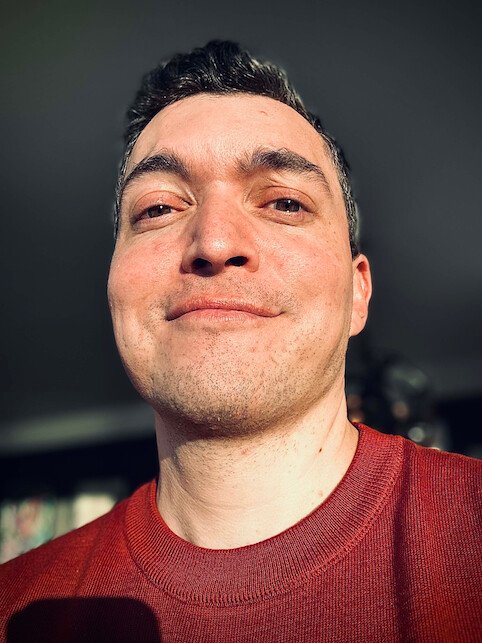
Spotlight Interview
4. You’ve had your scripts recognized globally yet remain unproduced. Do you see this phase as frustrating—or as a space of incubation, where the work gathers strength before being realized?
Yes, I did. I am happy to announce that is no longer the case – Good, the first story in The Parables anthology, has begun production.
5. If a future filmmaker 50 years from now discovered your unproduced scripts, what do you hope they’d say about your voice as a writer in this moment of history?
That they strived to bring a little hope to a whole lot of people.
6. Festivals like this bring audiences from many cultures together. What do you hope international audiences discover in your work that they might not have seen before?
That just as human suffering is universal, so is the resilience of humanity’s ability to overcome it by relying on the best of what makes us alike; what makes us human.
7. Japanese aesthetics often embrace yūgen (mystery, depth) and mono no aware (the beauty of impermanence). Do you feel these ideas connect to your own way of telling stories?
Absolutely. What my stories hope to show is that nothing is permanent, and yet the mystery of the constant change of time holds the very beauty of our existence.
8. Do you envision moving from writing into directing one of your own works, or do you see yourself staying purely as a writer?
I would very much like to direct in the future.
9. If you could collaborate on your next project with one Japanese filmmaker—past or present—who would it be, and what kind of story would you want to create together?
Kōji Fukada. A family drama/thriller.