
Review
Directed by Beto Besant and Mayara Magri, this film unfolds like a quiet piece of choreography—measured, intimate, and emotionally resonant. Rather than relying on a conventional narrative structure, the directors construct a cinematic experience where movement, silence, and physical presence become the primary tools of storytelling.
The film opens with Sofia, a middle-aged dance teacher who continues to live within the rhythm of dance. In the opening scene she moves alone in her living room, observing herself in the mirror until the dance ends with an unexpected fall. It is a subtle yet powerful introduction to the film’s emotional landscape—one that speaks about aging, memory, and the persistence of passion within the body.
The arrival of Ana, a young dancer seeking guidance, gradually changes the emotional tempo of Sofia’s life. What begins as a teacher-student dynamic slowly evolves into a relationship defined by closeness, vulnerability, and an unspoken emotional bond. The directors allow this transformation to unfold organically through rehearsals, shared silences, and delicate gestures.
One of the film’s most striking strengths lies in its cinematography. The camera does not merely observe the dancers—it moves with them. Carefully composed frames capture the fragility of the human body, lingering on hands, feet, and subtle facial expressions. The dance studio itself becomes a reflective space where emotions surface through movement rather than words.
Equally remarkable is the film’s restrained use of dialogue. Conversations are sparse, appearing only where absolutely necessary. This creative decision allows dance itself to become the film’s emotional language. Lines such as “Dancing is more than dancing” and the reflective notion that movement must be repeated “until it becomes something different” echo beyond choreography, touching on the rhythm of life itself.
Through rehearsals, moments of care, and quiet physical closeness, Sofia and Ana slowly move toward each other. Their intimacy grows not through grand declarations but through small gestures—bandaging injured feet, shared glances, and the silent trust formed in the practice of dance. Ana often becomes the initiator of this closeness, while Sofia responds with tenderness yet visible hesitation.
Beneath this relationship lies Sofia’s inner conflict. Aware of the passing of time and the responsibilities of her life beyond the studio, she carries an insecurity that prevents her from fully embracing what has emerged between them. Ana, in contrast, represents youth, spontaneity, and emotional courage.
This tension ultimately leads to the film’s quiet heartbreak. Sofia chooses to leave—returning to the life that awaits her elsewhere. In doing so, she escapes her own uncertainty, yet leaves Ana with the emotional weight of absence.
The closing sequence transforms this pain into art. As Ana performs during her audition, every movement carries the memory of Sofia. Their shared moments echo through choreography, turning heartbreak into expression.
The film’s philosophical essence resonates in a final reflection:
“It’s impossible to control the port de bras of life.”
Through its elegant cinematography, minimal yet meaningful dialogue, and deeply expressive choreography, the film becomes a rare cinematic work where dance itself narrates emotion.
Ultimately, Besant and Magri remind us that some connections arrive only briefly in our lives—yet the movements they create within us continue long after the dance has ended.
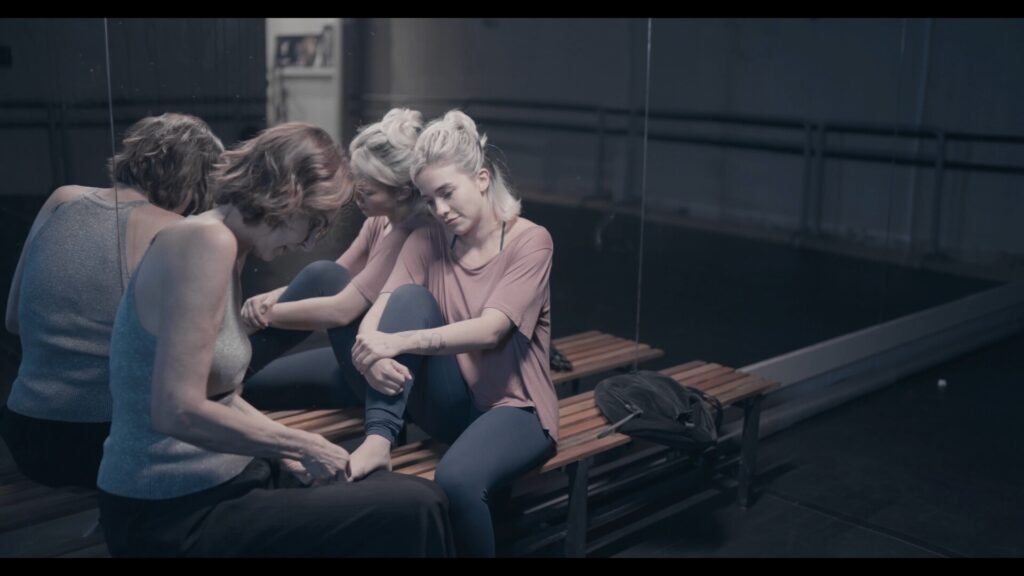
From the very beginning, the directors establish the central idea that the body carries memory. Sofia’s opening dance, which ends in a fall, immediately introduces the fragile relationship between passion and time. For the filmmakers, this moment does not merely depict an accident—it becomes a visual metaphor for the vulnerability of an artist whose life has always been defined by movement.
The arrival of Ana then becomes the catalyst for transformation. Through the directors’ lens, Ana is not simply a student entering a dance studio; she represents youth, spontaneity, and the possibility of rediscovering forgotten emotions. Sofia, on the other hand, embodies experience, hesitation, and the quiet insecurities that accompany aging.What makes the film particularly distinctive is the directors’ deliberate choice to minimize dialogue. Words are used sparingly because the directors seem to trust the expressive power of dance and physical presence. Movement replaces explanation. Gestures replace confession. In this sense, the film invites the audience to observe rather than be told.
This philosophy is echoed in lines such as the reflection that “dancing is more than dancing” and the idea that repetition eventually transforms movement into something new.These words function almost like a manifesto for the film itself: life, like choreography, evolves through repetition, pain, and persistence.
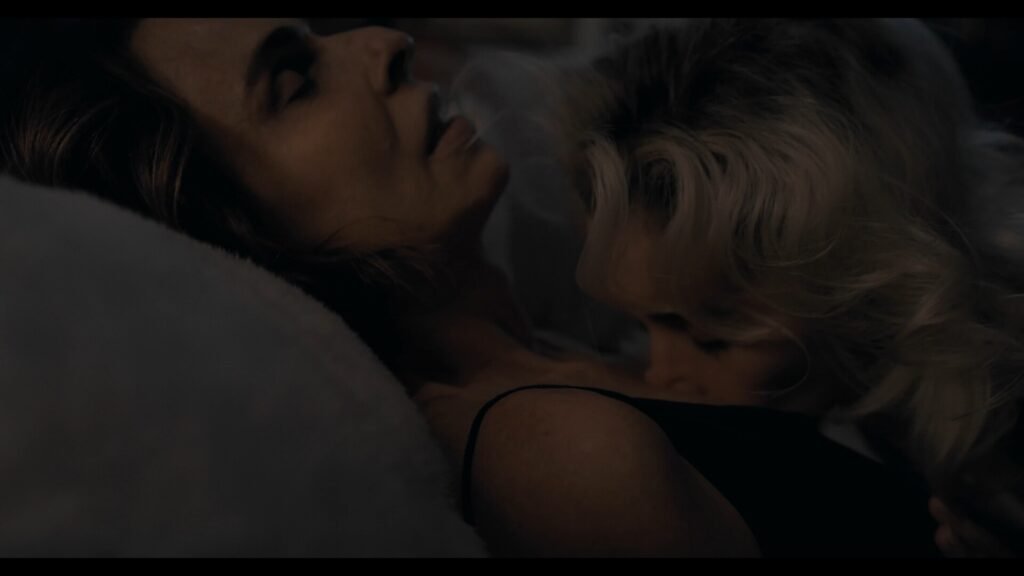
Cinematography plays a crucial role in translating this vision. The camera behaves almost like another dancer in the room—following movements, observing details, and lingering on moments that reveal emotional shifts. Mirrors, rehearsal spaces, and empty studio corners become visual extensions of the characters’ internal states.
From the directors’ perspective, the growing intimacy between Sofia and Ana is not meant to shock or provoke but to reveal vulnerability. Ana’s initiative and Sofia’s hesitant responses create a delicate balance between desire and restraint. Their relationship unfolds through gestures of care, shared rehearsals, and moments of physical closeness that feel organic within the language of dance.
Yet the directors ultimately guide the story toward an inevitable realization: some connections illuminate our lives but cannot remain within them. Sofia’s decision to leave is not portrayed as a rejection of Ana but as the consequence of a life shaped by responsibilities, fears, and time itself.
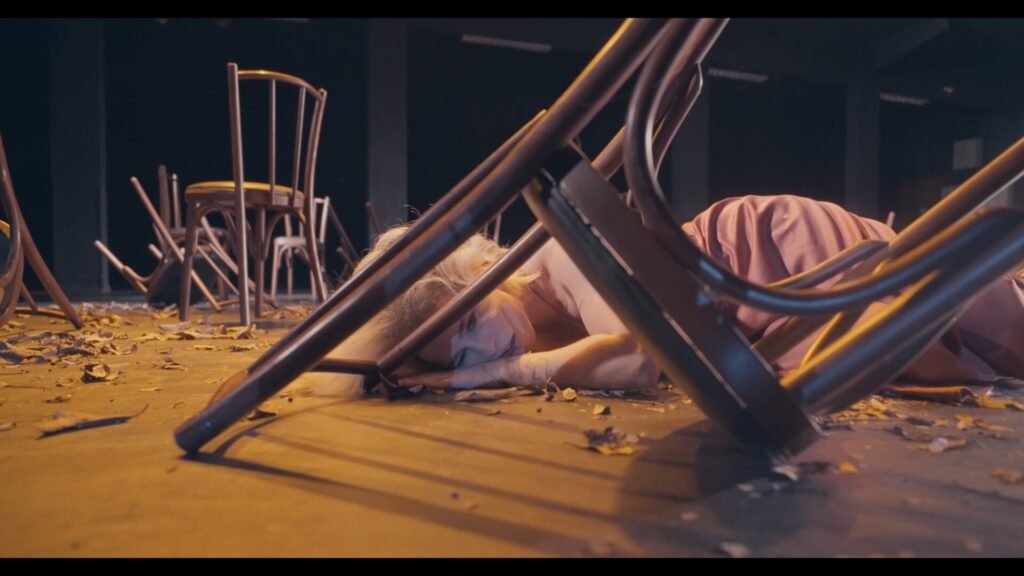
The film’s final sequences transform this emotional conflict into choreography. As Ana dances during her audition, the movement becomes a vessel for memory. Each gesture recalls the intimacy she shared with Sofia, turning personal pain into artistic expression.
This transformation echoes the film’s final philosophical idea:“It’s impossible to control the port de bras of life.”
Through this perspective, Besant and Magri suggest that life, much like dance, unfolds through gestures we cannot fully predict or control.Ultimately, the directors present a cinematic work where movement becomes memory, intimacy becomes choreography, and dance becomes the language through which fleeting love and quiet loss are expressed.